
English| EUR
Suggested for you
More currencies
Choose a language
Puerto Rico's bioluminescent bays rank among the brightest on Earth, and the question of water contact matters to every visitor planning a night tour. The answer depends on which bay you visit, the tour operator's permit, and the protection status of the ecosystem. This guide explains the swimming policy, what physical contact is permitted, and how to experience the glow without harming the microorganisms that create it.
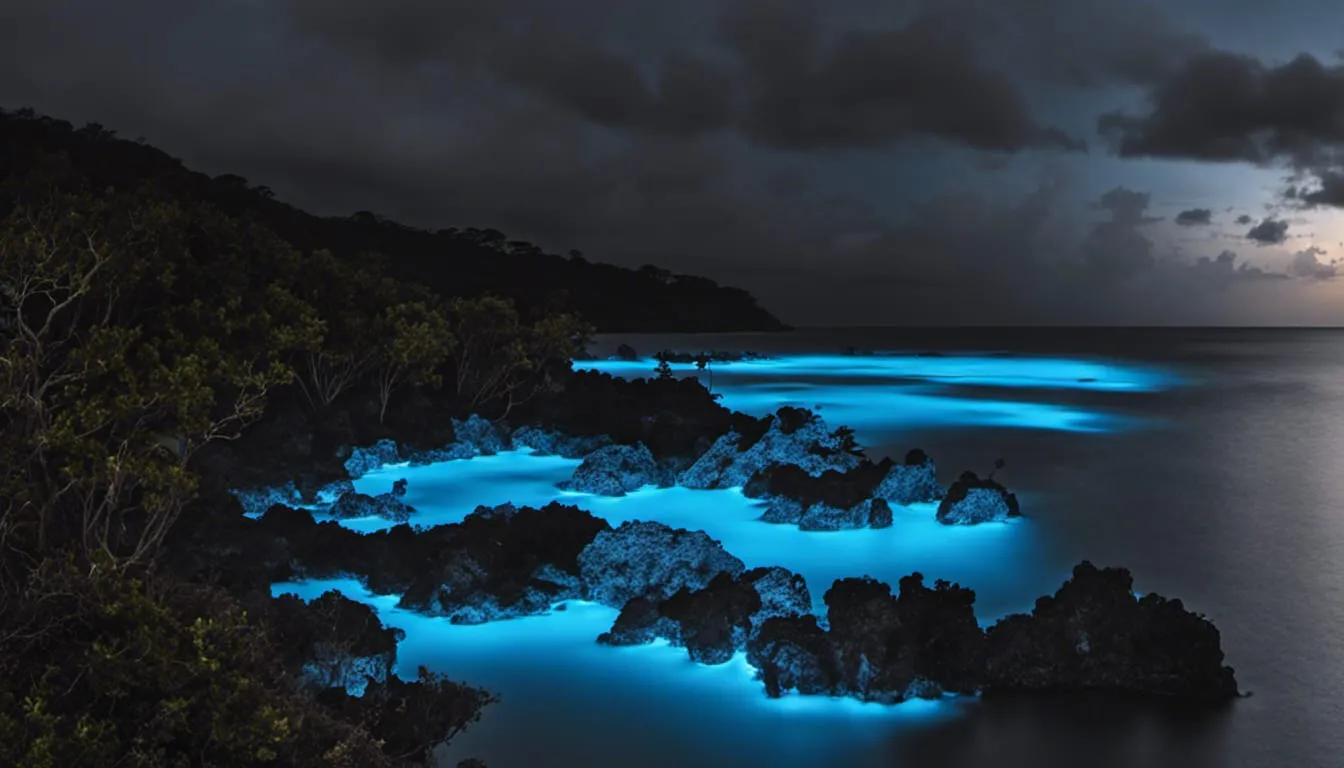
Quick answer
Swimming is generally not permitted in Laguna Grande, Puerto Rico's most visited bioluminescent bay located in Fajardo, due to its protected status within the Reserva Natural Cabezas de San Juan. Most tour operators allow limited hand-trailing from kayaks but prohibit full-body swimming to protect the fragile dinoflagellate population. Mosquito Bay in Vieques enforces stricter no-contact rules, while La Parguera's bay permits supervised swimming on certain tours. The policy exists because sunscreen, lotions, and physical disturbance can damage the Pyrodinium bahamense organisms that produce the bioluminescence.
The bioluminescent bays of Puerto Rico owe their glow to a single-celled organism smaller than a grain of sand, and that fragility shapes every access rule. Pyrodinium bahamense thrives in shallow, mangrove-sheltered lagoons where salinity, temperature, and nutrient balance remain stable—conditions that human activity can disrupt within minutes. When you ask can you swim in the bioluminescent bay in Puerto Rico, you are asking whether a protected estuary can tolerate the chemical load and physical disturbance that swimmers introduce. The answer, in most cases, is no. Laguna Grande in Fajardo sits within a nature reserve that prohibits swimming outright. Tour groups paddle through the mangrove channel in transparent or traditional kayaks, and guides permit brief hand contact with the water so visitors can watch the blue-green sparks cascade from their fingers. The organisms flash when disturbed—a predator-defense mechanism—but repeated stimulation stresses the population. Sunscreen, insect repellent, and body oils contain chemicals toxic to dinoflagellates, which is why even limited water entry requires rinsing beforehand on the rare tours that allow it. Mosquito Bay, the brightest bioluminescent bay on the planet, enforces a strict no-swimming, no-contact policy under its UNESCO recognition and federal protection status. Vieques prohibits all chemical products in the water and limits nightly visitor numbers to prevent ecological collapse. La Parguera, on the island's southwest coast, operates under looser regulation; some commercial operators offer swimming segments where participants float in designated zones wearing chemical-free skin. The experience differs—La Parguera's waters glow less intensely due to higher boat traffic and coastal development, but the chance to immerse yourself in bioluminescent water draws those willing to trade brightness for immersion. Whether you trail your hand from a kayak in Fajardo or wade into the shallows in La Parguera, the principle remains: the glow you see is a living response, not a static feature. The more people enter the water, the faster the population declines. Tour operators balance access with conservation, but individual behavior determines whether these bays remain visible to the next decade of visitors.
“The organisms flash when disturbed—a predator-defense mechanism—but repeated stimulation stresses the population.”
Swimming is prohibited in Puerto Rico's bioluminescent bays to protect the fragile dinoflagellate ecosystem. These microscopic organisms are sensitive to sunscreen chemicals, physical disturbance, and pollutants that swimmers introduce.
The best arrival window is 19:00–21:00, as darkness levels maximize visibility of the bioluminescent phenomenon. Lunar cycles significantly influence the intensity of the light, with the clearest visibility occurring during the new moon phase when ambient light is at its minimum.
Stable temperatures 75-85°F
Darker skies provide higher organism contrast. Optimal conditions for observing the glow.
Stable temperatures 75-85°F
Increased moonlight reduces the visibility of the bioluminescence. Plan visits outside this window if possible.
Lower humidity 70-80°F
Consistent weather minimizes water turbidity. This supports clearer views of the biological light reaction.
Higher humidity 80-90°F
Occasional rain may affect water clarity. Evening arrivals remain consistent regardless of seasonal precipitation.
Verdict: The most effective time to experience the bay is during the new moon phase between December and April, arriving promptly within the 19:00–21:00 window.
The bioluminescent bay, known as Laguna Grande, is located within the Reserva Natural Cabezas de San Juan in Fajardo. The most practical way to reach this area from San Juan is by car via the PR-3 or PR-26 routes.
PR-26 E to PR-3 S towards Fajardo
PR-26 E to PR-3 S towards Fajardo
PR-3 towards Fajardo and connecting local transit
Navigate to the address at Carr. 987 Km. 5.9, Fajardo, PR 00738. Aim for the best arrival window of 19:00–21:00 to align with evening tour departures.
Access to the natural area of the Bioluminescent Bay is free of charge. Touring the bay to experience the phenomenon requires booking a professional tour service, which incurs separate fees.
Verdict: While the area itself has no entrance fee, visitors typically pay for a guided kayak tour, with prices varying based on the selected tour operator.
Prepare these essentials before your bioluminescent bay visit to ensure a comfortable and successful tour.
Everything you need to know about can you swim in the bioluminescent bay in puerto rico
No, swimming is strictly prohibited in the bioluminescent bay in Puerto Rico to protect the fragile microscopic organisms responsible for the glow. Regulations ensure the chemical balance of the water remains undisturbed for future visitors.
The local conservation policy forbids swimming, kayaking with motors, and the use of personal sunscreens or insect repellents that could contaminate the lagoon. These rules are enforced to preserve the environmental health of the natural reserve.
Direct contact with the water introduces pollutants such as soaps and lotions that kill the dinoflagellates, which causes the bioluminescence to fade. Maintaining a strictly no-swim policy ensures the ecosystem survives for everyone to observe from kayaks.
For the most intense visibility, the best arrival window is 19:00–21:00 when darkness is complete. Arriving during these hours allows you to experience the natural illumination of the water away from light pollution.
There is 0 USD entrance fee to the natural areas, though separate booking fees apply for authorized kayak tours. Because you cannot swim, these guided tours are the primary way to observe the water safely.
Visiting the reserve with family is possible, provided children follow safety instructions for staying inside the kayaks at all times. Professional guides facilitate the experience, making it a controlled and educational environment for participants of all ages.
Bring light clothing, a towel, and insect repellent approved for eco-sensitive areas to use before you depart the launch point. Since you remain in a kayak, focus on wearing quick-dry materials and comfortable footwear suitable for a marine environment.